Understanding the Science Behind Training to Failure
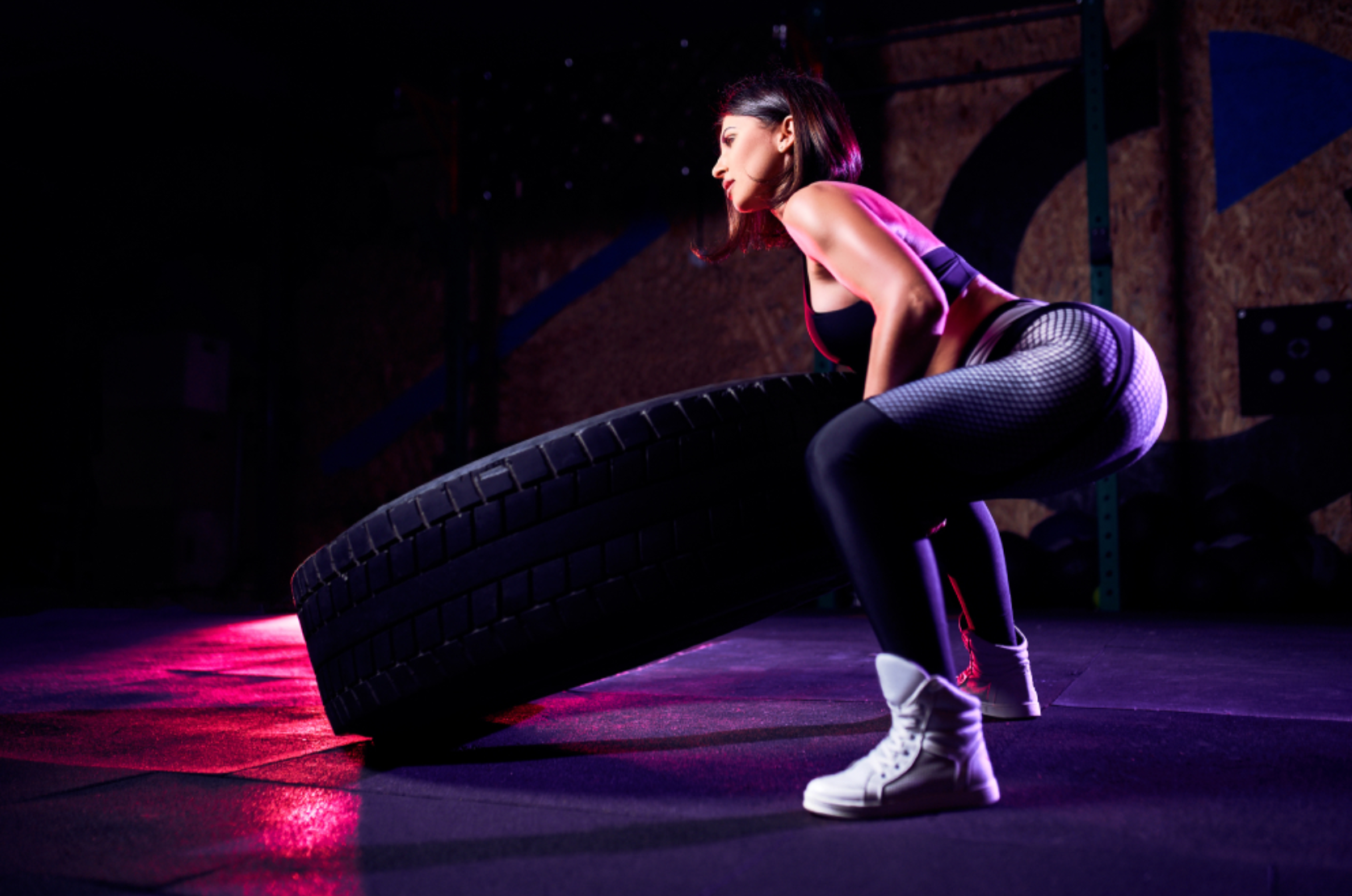
Training to failure, the point where a lifter can no longer complete a repetition, has often been seen as a hallmark of intense and effective workouts. However, recent research and expert analysis challenge the necessity of reaching this extreme in every session. This article delves into the principles of relative effort, the use of Reps in Reserve (RIR), and the balance between effective training and optimal recovery, ultimately concluding that training to failure might not be essential—and could even be counterproductive—for many lifters.
Relative Effort and Reps in Reserve (RIR)
One of the core concepts discussed is relative effort, which measures how much force is exerted during an exercise in relation to the maximum force-producing capacity of a muscle. This concept helps athletes and lifters gauge how close they are to reaching their true physical limits. Yet, even experienced lifters often misjudge this proximity, believing they train at maximum effort more frequently than they actually do.
To bridge this gap, fitness experts use Reps in Reserve (RIR), a practical metric for estimating proximity to failure. An RIR of 0 represents maximal effort (no additional reps possible), while an RIR of 1 or 2 suggests one or two more reps could be completed. RIR has become an essential tool for trainers because it provides an alternative to full failure training, enabling controlled effort without hitting physical limits each session.
Research Insights: Is Training to Failure Necessary?
Dr. Brad Schoenfeld and other muscle hypertrophy researchers have conducted extensive studies examining the relationship between failure training and muscle growth. Contrary to traditional beliefs, their findings reveal that muscle growth can be achieved without reaching failure in every set. Instead, maintaining an RIR of around 2 has shown to produce comparable growth results.
One significant study discussed by Dr. Schoenfeld involved lower body training, where participants who kept a 2 RIR demonstrated equivalent muscle gains as those who trained to failure. The implication here is that lifters do not need to reach failure to build muscle effectively. Additionally, reaching failure on all sets often leads to high levels of fatigue, which can be detrimental to long-term progression and strength gains.
The Drawbacks of Consistent Failure Training
While training to failure can sometimes be beneficial for progressive overload—where muscles adapt to increasing stress—doing so consistently can hinder recovery and compromise results. Research suggests that failure training is not only unnecessary for muscle growth but can also negatively impact strength development, especially when used excessively. For powerlifters or those primarily focused on strength, training to failure may even reduce performance gains, as the fatigue generated from hitting failure outweighs the strength benefits.
Additionally, reaching failure in certain complex exercises, such as squats, places a high systemic demand on the body, leading to greater fatigue than simpler exercises like leg extensions. This indicates that lifters should selectively choose where to apply failure training, particularly in isolation movements rather than compound exercises.
Personalization and Recovery
Individual factors such as age, lifestyle, and stress levels play a significant role in how well a person can recover from failure training. As individuals age, their recovery capacity decreases, making failure training less ideal for older lifters. Lifestyle factors, including sleep quality, nutrition, and stress levels, further influence a person’s ability to recover and benefit from intense training.
In line with this, experts recommend tailoring training intensity based on personal circumstances. For many, reducing failure training or strategically incorporating it only in specific sets or exercises can sustain performance without overloading the body’s recovery systems. This measured approach allows for sustainable gains, preserving muscle health and performance over time.
To maximize results while minimizing the risks associated with failure training, consider the following strategies:
- Use Reps in Reserve (RIR) to Gauge Effort: Aim for an RIR of 1-2 in most exercises, reserving failure only for select movements, especially those that are less complex.
- Incorporate Failure Training Sparingly: Limit failure training to final sets of an exercise or isolation movements to minimize systemic fatigue.
- Adjust for Personal Factors: Take age, recovery rate, and lifestyle factors into account, gradually reducing reliance on failure training if recovery capacity is compromised.
- Focus on Progressive Overload: Increase weight, reps, or overall volume as a way to progressively overload muscles without hitting failure on every set.
Conclusion
The idea that training to failure is a prerequisite for muscle growth is increasingly seen as outdated. While it can have a place in a well-rounded program, failure training should be approached with caution, especially in compound movements and for lifters with compromised recovery. By utilizing tools like RIR and personalizing intensity based on individual needs, athletes can build muscle effectively while promoting long-term health and sustainability in their workouts.